

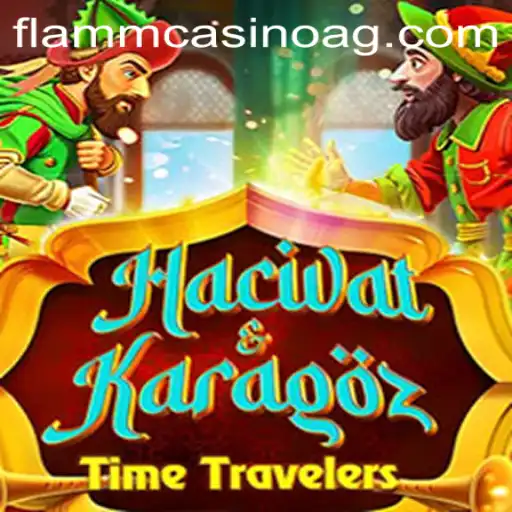
Introduction to Hacivat and Karagoz
Hacivat and Karagoz is a traditional shadow play originating from the Ottoman Empire, offering a unique blend of cultural storytelling and entertainment. Revered for its artistic expression and satirical humor, the game has survived centuries, continuously enchanting audiences with its timeless charm. In today's digital epoch, while video games capture screens, Hacivat and Karagoz threads together historical narratives through the ancient art of shadow puppetry.
The Origins of Hacivat and Karagoz
Hacivat and Karagoz, rooted in the folklore of the 14th century, emerged during a time of vibrant cultural interactions within the Ottoman Empire. The narrative centers around two main characters, Hacivat, the intellectual and resourceful one, and Karagoz, the straightforward and often mischievous counterpart. Together, they encapsulate a contrasting duo that finds humor in their interactions with society, covering themes from everyday life to the nuanced political tensions of their era.
Traditionally performed by a skilled puppeteer who manipulates crafted leather figures against a white curtain, the shadows come to life, bringing their anecdotes and lessons to the audience. This form of storytelling not only captivated the public but also allowed room for improvisation, with the puppeteer often incorporating current events that resonated with the people.
Detailed Description of the Game
The characters of Hacivat and Karagoz undergo various scenarios that reflect both the absurdities and profundities of human nature. Each performance is unique, with dialogues that draw heavily from modern contexts, allowing the game to remain a vibrant and relevant tradition through time. The set is minimalistic - a backlit white screen with the puppets creating intricate shadows, seamlessly weaving cultural heritage with simple yet captivating visuals.
Despite its simplicity, the game’s execution requires meticulous artistry. The puppets, typically made from camel or water buffalo leather, are delicately carved and painted to portray vivid characters. Their movements are orchestrated by the puppeteer using rods, creating a dance of light and shadow that enthralls the audience, bringing the rich tapestry of our shared stories to life.
Core Rules and Dynamics
The rules governing Hacivat and Karagoz are fundamental, designed to preserve the tradition while allowing artistic flexibility. Typically, a single show consists of multiple episodes, each a self-contained story that yet ties back to the overarching theme through recurring characters and motifs. The lead puppeteer’s role is paramount; they must balance humor with moral lessons, ensuring the spectators engage with the narrative while contemplating its deeper meanings.
The interaction between Hacivat and Karagoz is the crux of every performance. Their dialogues are rich in metaphor and often political innuendo, crafted to subtly critique the prevailing socio-political environment. In this way, the game becomes a vehicle for social commentary, blending satire and comedy in a manner that is both entertaining and thought-provoking.
Current Relevance and Events
While the tradition of shadow puppetry may seem overshadowed by modern entertainment technologies, it retains a quaint yet powerful foothold in contemporary events. Recent festivals across Turkey and global stages have rejuvenated interest in Hacivat and Karagoz, showcasing the art form’s resilience and adaptability. In a world increasingly leaning towards digital platforms, such traditional games emphasize the timeless nature of human storytelling.
Additionally, emerging platforms like oncash.bet, which offer unique gaming experiences, underscore the intersection of tradition and innovation. In juxtaposition, Hacivat and Karagoz serve as reminders of our cultural heritage amidst this digital transformation, continually inspiring new interpretations and adaptations. This traditional game remains a bastion of cultural identity, celebrating the humor and wisdom of bygone eras while inviting new audiences to explore its enchanting legacy.
As we navigate through the rapidly changing landscapes of entertainment, the timelessness of Hacivat and Karagoz stands as a testament to the enduring power of storytelling, bridging the gap between the past and the future.